



Western Vests
| A. Fabric Guide |
When buying western wear (or any clothes for that matter), it's always important to look at the label to see what fabrics are being used. Knowing the fabrics will give you an idea about a garment's durability and how to properly care for it.
Of course, some fabric types might seem (or actually be) foreign to you, which doesn't help your cause in choosing the right fabric for your lifestyle. This is especially true for western vests, so we thought we'd provide a western vest fabric guide. After all, an educated shopper is a smart shopper!
Types of Leather Used in Western Vests
The majority of western vests are made with leather fabrics. There are many types of leather used to make western vests, such as cowhide, boar, sheepskin, lambskin, suede, canvas, and wool.
Cowhide
Cowhide is the most popular leather for western outerwear, and probably the type you're most familiar with. It's the least expensive leather and easiest to care for. This type of leather is strong and durable, and it resists water and dirt, so you can usually find it in motorcycle jackets, police jackets, and cowboy western vests.
Boar Leather
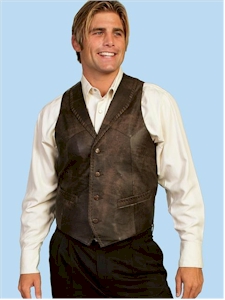
Boar leather is very soft, but still durable. It's more resistant to rubbing or wearing away from friction because it's thicker. Even though it's thicker, it's still lightweight and it doesn't tear.
Sheepskin leather
Sheepskin leather is also on the thicker side and withstands tearing. Sheepskin is very popular in western outerwear because of its combined strength and softness.
Lambskin leather
Lambskin leather is one of the softest, thinnest leathers available. It's good for keeping warm, and it's used more for dressier looks. Lambskin western vests are perfect for cowboys who crave a fancy look for formal events. Because of the vest's velvety feel, it's regarded as a luxury and delicate fabric.
Suede
Suede is a type of leather. Suede is "napped" or brushed leather. It's usually less durable than traditional leather, and it's softer as well. This form of leather tends to be thinner than most other types, making it more delicate. However, like most leathers, it's still resistant to tearing, even after much use.
Canvas
Canvas is another durable western vest fabric. Canvas is made from cotton, which makes it lightweight and cool--ideal for those warmer months. However, canvas tends to be stiffer and more durable than 100 percent cotton, so it doesn't wrinkle as much.
Wool
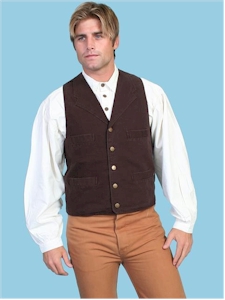
Wool is another fabric used to make western vests. Wool is a warm fabric, which is perfect for colder months. Wool is wrinkle-resistant and has natural stretch. The fabric's flexibility makes it easy to tailor, yet it's still resistant to wear and tear.
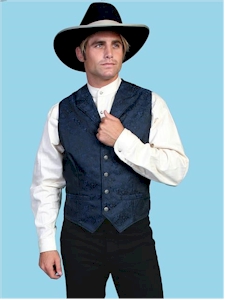
Wool is usually the fabric being used when you see western vests with paisley designs. (When the fabric description says "paisley," it's referring to the design on the fabric.) This would be softer wool with a swirled pattern of curved shapes. The shapes are similar to tear drops and bandana patterns. The paisley patterns on western vests are usually reserved for special western events that require a dressy or fancy look.
________________________
There are no products matching the selection.| A. Fabric Guide |
When buying western wear (or any clothes for that matter), it's always important to look at the label to see what fabrics are being used. Knowing the fabrics will give you an idea about a garment's durability and how to properly care for it.
Of course, some fabric types might seem (or actually be) foreign to you, which doesn't help your cause in choosing the right fabric for your lifestyle. This is especially true for western vests, so we thought we'd provide a western vest fabric guide. After all, an educated shopper is a smart shopper!
Types of Leather Used in Western Vests
The majority of western vests are made with leather fabrics. There are many types of leather used to make western vests, such as cowhide, boar, sheepskin, lambskin, suede, canvas, and wool.
Cowhide
Cowhide is the most popular leather for western outerwear, and probably the type you're most familiar with. It's the least expensive leather and easiest to care for. This type of leather is strong and durable, and it resists water and dirt, so you can usually find it in motorcycle jackets, police jackets, and cowboy western vests.
Boar Leather
Boar leather is very soft, but still durable. It's more resistant to rubbing or wearing away from friction because it's thicker. Even though it's thicker, it's still lightweight and it doesn't tear.
Sheepskin leather
Sheepskin leather is also on the thicker side and withstands tearing. Sheepskin is very popular in western outerwear because of its combined strength and softness.
Lambskin leather
Lambskin leather is one of the softest, thinnest leathers available. It's good for keeping warm, and it's used more for dressier looks. Lambskin western vests are perfect for cowboys who crave a fancy look for formal events. Because of the vest's velvety feel, it's regarded as a luxury and delicate fabric.
Suede
Suede is a type of leather. Suede is "napped" or brushed leather. It's usually less durable than traditional leather, and it's softer as well. This form of leather tends to be thinner than most other types, making it more delicate. However, like most leathers, it's still resistant to tearing, even after much use.
Canvas
Canvas is another durable western vest fabric. Canvas is made from cotton, which makes it lightweight and cool--ideal for those warmer months. However, canvas tends to be stiffer and more durable than 100 percent cotton, so it doesn't wrinkle as much.
Wool
Wool is another fabric used to make western vests. Wool is a warm fabric, which is perfect for colder months. Wool is wrinkle-resistant and has natural stretch. The fabric's flexibility makes it easy to tailor, yet it's still resistant to wear and tear.
Wool is usually the fabric being used when you see western vests with paisley designs. (When the fabric description says "paisley," it's referring to the design on the fabric.) This would be softer wool with a swirled pattern of curved shapes. The shapes are similar to tear drops and bandana patterns. The paisley patterns on western vests are usually reserved for special western events that require a dressy or fancy look.
________________________